

Food is at the heart of life on board. Make smarter provisioning part of your crew welfare strategy to support wellbeing and retention while reducing food waste.
A more strategic approach to provisioning brings together data, food and crew wellbeing – going beyond simply supplying food to supporting both crew welfare and operational performance. We work with shipowners and ship managers to ensure healthy, high-quality food on board, enabling you to improve crew wellbeing and retention, while reducing food waste.
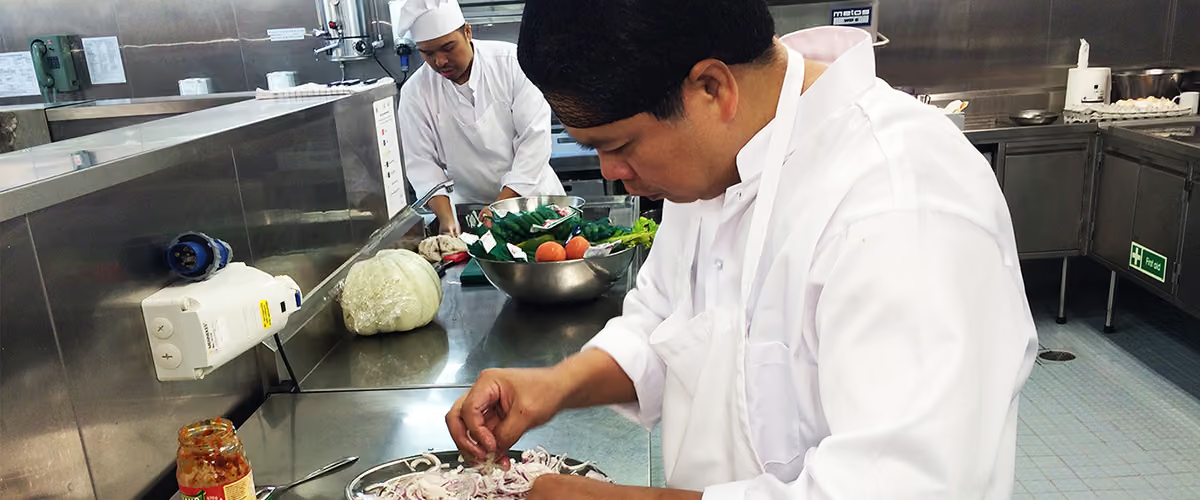
Train on-board cooks in menu planning, considering nutritional value, menu variety, dietary preferences and cultural diversity.

Involve crews in menu planning to improve satisfaction and reduce food waste.

Monitor and predict food consumption to meet crew needs and reduce food waste.
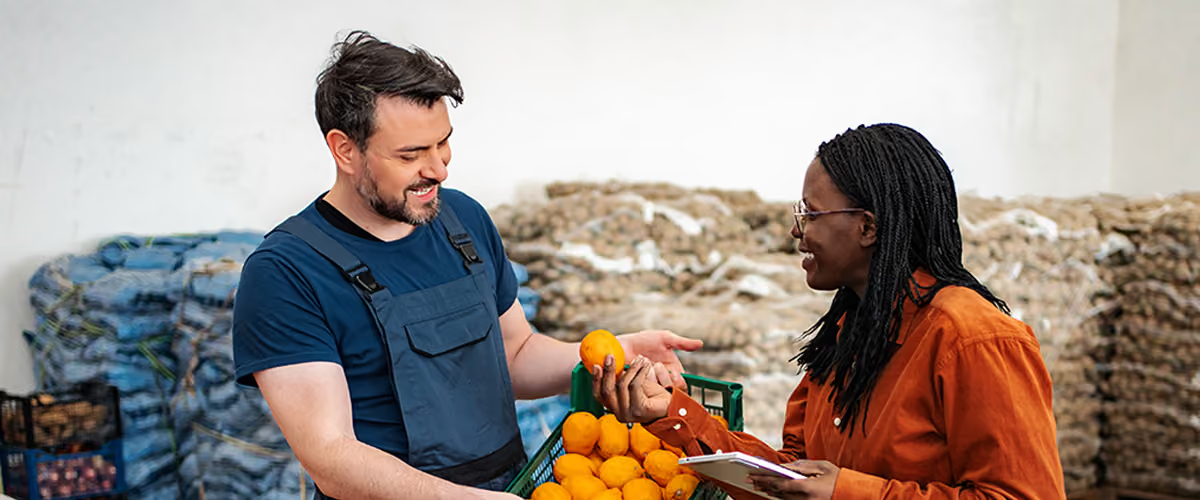
Prioritise fresh, safe, high-quality produce to support nutrition, crew health and performance.



A practical approach to smarter provisioning and better crew wellbeing.
The nutrition data we collect help our culinary team develop menus that support positive health and wellbeing of your crews.
We work closely with your cooks to balance cost, crew preferences and consistency across your fleet, using data to guide decisions over time.
Combining a provision budget management plan with healthier menus – for example reducing the frequency of red meat and introducing alternative sources of protein – will help you:



potential reduction in annual provisioning spend

Better planning and budget control
More varied protein sources and balanced menus
Efficient purchasing and provisioning decisions
As providers of meals to over 30,000 crew members every day, we get valuable insights into the role food plays in life on board. Feedback from shipowners and ship managers shows that poor food quality can contribute to crew dissatisfaction, reduced performance and higher crew turnover.
Smarter provisioning, supported by strong culinary and logistics expertise, helps you provide balanced meals, fresher produce and better nutrition to:

Train on-board cooks in menu planning and sustainability levers that help reduce waste and GHG emissions.

Monitor and predict consumption, reducing over-ordering and food waste.

Track waste on board to identify patterns and opportunities for improvement.

Review protein choices and recipes, particularly red meat, where waste has the highest cost and climate impact.
Integrate to demonstrate tangible climate action.
A reduction in food waste of 10-15% of total provisions purchased
Get access to GHG emissions insights
